
The Short Answer: Protect the Finish
To care for a wood front door in a coastal climate, keep the finish intact, clean it gently, and check it regularly for sun damage, salt residue and moisture. A well-kept finish is what protects the wood, so catching small problems early is the single most useful habit.
This is general best-practice guidance for solid-wood doors on the Baja California and Southern California coast. Your own door may need something different depending on its wood, finish and exposure, and we are happy to look at photos and advise.
Sun, Salt Air and Humidity on the Coast
Sun
Strong sunlight is the hardest thing on a wood finish. UV light can fade stain and dry out the surface, and a south- or west-facing door with no overhang usually shows wear first. A porch, overhang or awning makes a real difference.
Salt air
Near the ocean, salt can settle on the door and on metal parts. Wiping the door down occasionally with a soft, damp cloth removes residue before it builds up. Hardware near the coast is also worth a look more often.
Humidity and moisture
Wood takes in and releases moisture as the air changes, which is why coastal fog, damp mornings and rain matter. The goal is to keep water from sitting on the door or soaking in through unsealed edges.
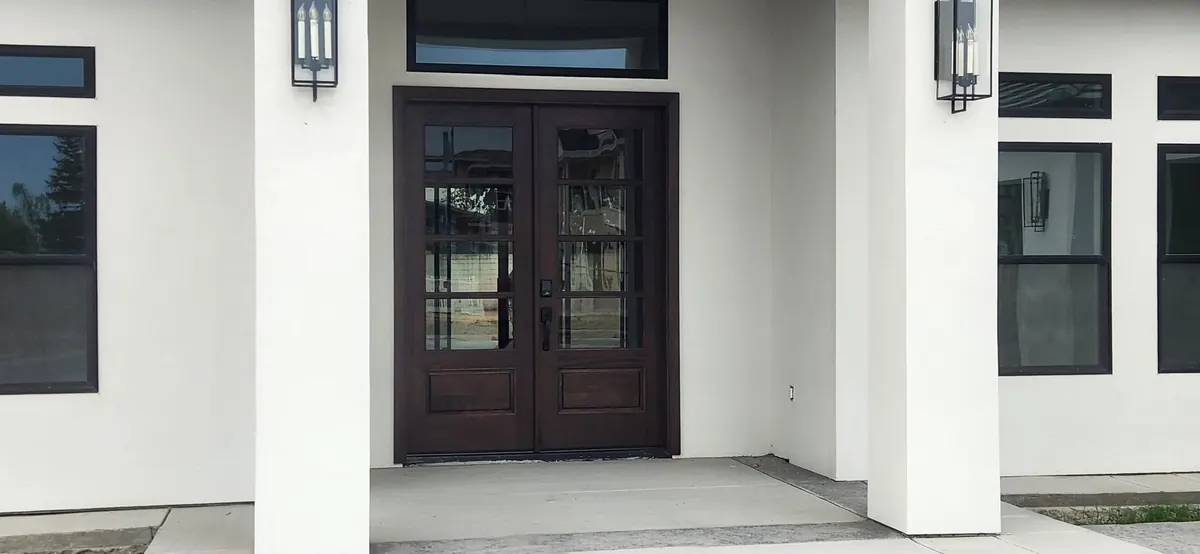
Cleaning, Inspecting and Hardware
Cleaning
Clean with a soft cloth and plain water, or a very mild soap diluted in water, then dry the surface. Avoid abrasive pads, ammonia, bleach and strong solvents, which can dull or strip a finish.
Inspecting the finish
A few times a year, and after harsh weather, look at the door in daylight. Check for these signs:
- Dull, chalky or faded areas, especially on the sunniest side.
- Fine cracks or peeling in the finish.
- Darkening, gray patches or raised grain, which can mean water is reaching the wood.
- Gaps, swelling or a door that sticks or rubs the frame.
Hardware care
Wipe handles, hinges and locks gently, and keep them tight. Follow the hardware maker's instructions for lubrication, and avoid getting cleaners or finish on moving parts. If a hinge sags or a lock gets stiff, have it adjusted early so the door does not sit out of square.
When to Refinish a Wood Door
A finish is a protective layer, and it wears down over time. How often it needs attention depends mostly on how much sun and weather the door gets. Do not wait for bare wood to show: refinishing while the finish is still mostly intact is simpler than repairing a door that has been left exposed.
Refinish or call for help when you see widespread dulling, cracking or peeling, gray or dark patches in the wood, or bare spots. Light fading alone can often be addressed earlier than deep damage, so a quick photo to us is a good first step.
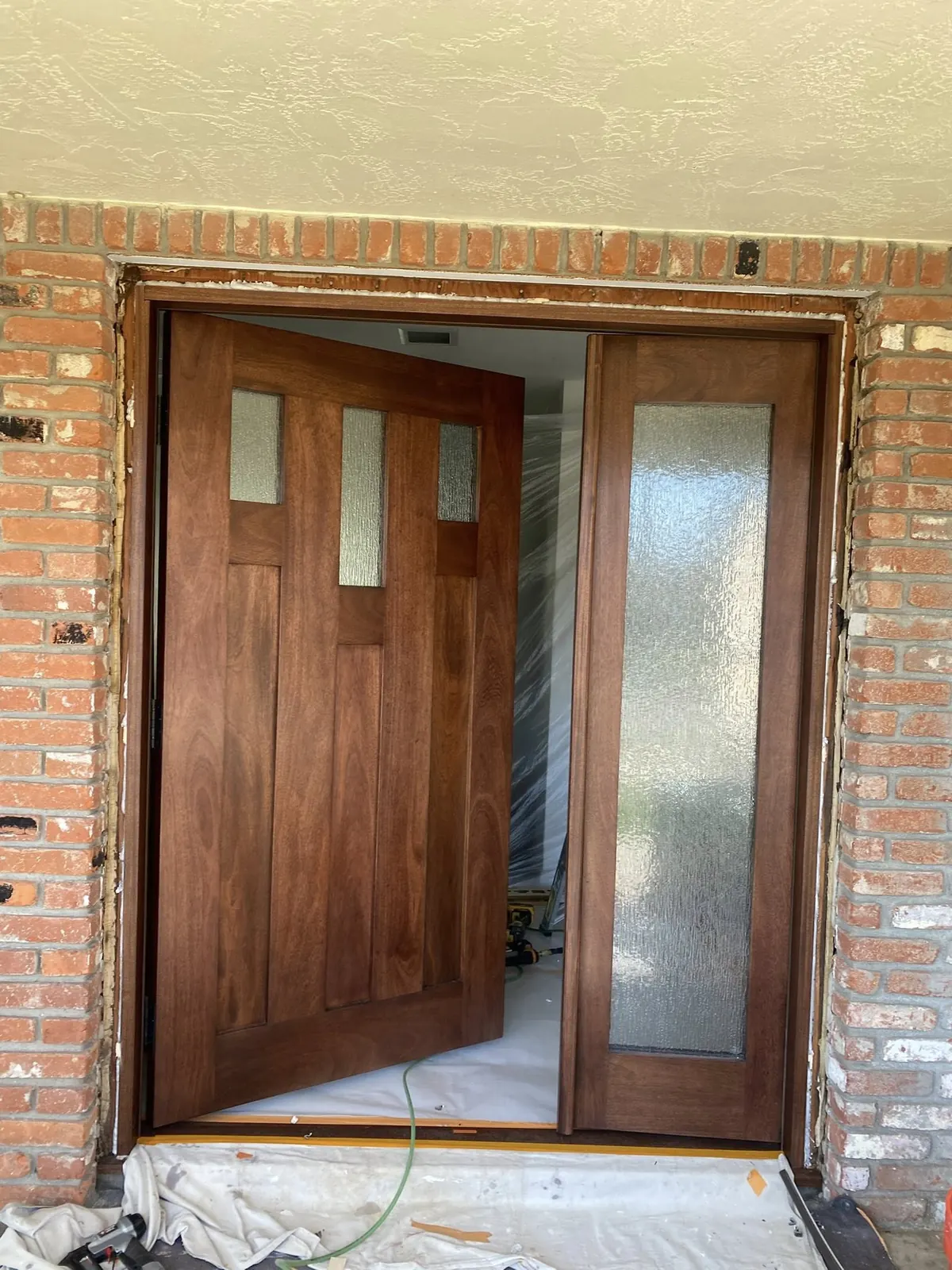
How Often to Refinish an Exterior Door
No single calendar fits every door. How often an exterior door needs a new coat depends on how much sun, rain and salt air it sees, so a door under a deep porch can go longer between coats than a south- or west-facing door with no cover. This is general guidance, not a fixed interval.
Things that shorten the time between coats:
- Direct afternoon sun on the door.
- Ocean exposure and salt in the air.
- Sprinklers or splashing water near the bottom edge.
- Dark finishes, which absorb more heat from the sun.
Instead of counting years, check the door each season and apply a light maintenance coat while the finish is still mostly intact. That is usually much less work than refinishing after the finish has failed.
Varnish vs Oil
Varnish: a film on the surface
Varnish and similar film finishes sit on top of the wood and form a protective layer. Exterior-grade versions can resist water and sun well, but when the film fails it tends to crack or peel, and repairs usually mean sanding back to a sound surface.
Oil: a finish that soaks in
Penetrating oils soak into the wood and leave a natural, low-sheen look. They are usually easy to touch up, but they generally need to be renewed more often and protect less against standing water.
Which one for your door
The best choice depends on the look you want and the finish already on the door. Do not put a new product over an unknown finish without testing a small hidden area first, and follow the product maker's instructions. Send us a photo and we will tell you what we would do.
Sanding and Coats
Good results come from preparation more than from the coat itself. A general order of work:
- Clean the door and let it dry completely.
- Sand lightly with the grain using fine sandpaper, just enough to dull a glossy surface or smooth raised grain, then wipe off the dust.
- Work in shade and mild, dry weather, and apply thin, even coats rather than one thick one.
- Let each coat dry as the product instructions say, and sand lightly between coats of a film finish.
- Seal the top and bottom edges and the edges around any glass, since moisture enters there first.
Stripped to bare wood, or not sure what is on the door? That is a good moment to send us photos instead of guessing.
Avoiding Warping and When to Call for Restoration
Prevent warping and swelling
Wood moves with humidity, so the best defense is a complete finish on every surface. Make sure the top and bottom edges of the door, and the edges around any glass, are sealed. Keep sprinklers and irrigation from spraying the door, and keep the bottom of the door from sitting in standing water.
Weatherstripping and the frame
Check that weatherstripping and the threshold are in good shape so rain and wind do not push moisture around the door. Keep the frame and surrounding trim sealed too, because water getting in there can affect the door.
When to call for restoration
RHA offers restoration and refinishing for wood doors. Contact us if the finish has failed across a large area, the wood looks gray or dark, the door no longer closes properly, or you simply want an older door to look right again. Send photos through our contact form and we will advise on what it needs. You can read more about our restoration and refinishing services on the services page.
Planning a new door? The wood you choose matters in a coastal setting, so see our wood guide and our pages on mahogany, white oak, walnut and parota doors, or browse the gallery. See the options for entry doors and pivot doors, and how we handle delivery and installation in San Diego. To understand how the finish and wood affect the quote, read the door cost guide, or start your own design in the online designer.
Wood Door Care FAQ
How often should I clean a wood front door?
Wipe it with a soft, damp cloth whenever dust or salt residue builds up, and dry it afterward. Near the coast, an occasional wipe-down helps keep salt from sitting on the finish.
What can I use to clean a wood door?
Use a soft cloth with plain water or a very mild soap diluted in water. Avoid abrasive pads, ammonia, bleach and strong solvents because they can damage the finish.
How do I know when my door needs refinishing?
Look for dull or faded areas, cracking, peeling, gray or dark patches, or bare wood. The sunniest side usually shows wear first. If you are unsure, send us a photo.
Does salt air damage wood doors?
Salt residue and constant moisture can be hard on finishes and on metal hardware. A well-maintained finish, an overhang and regular wipe-downs help protect a door near the ocean.
How can I stop my wood door from warping?
Keep every surface sealed, including the top and bottom edges, keep water from sitting on or near the door, and maintain the weatherstripping and frame. Catching finish problems early limits how much moisture reaches the wood.
Do you restore and refinish wood doors?
Yes. RHA offers restoration and refinishing. Send photos of your door through our contact form and we will tell you what it needs.